
What is the role of culture in reconstruction?
Can planning and design infuse resilience in a community to guard against the effects of disaster?
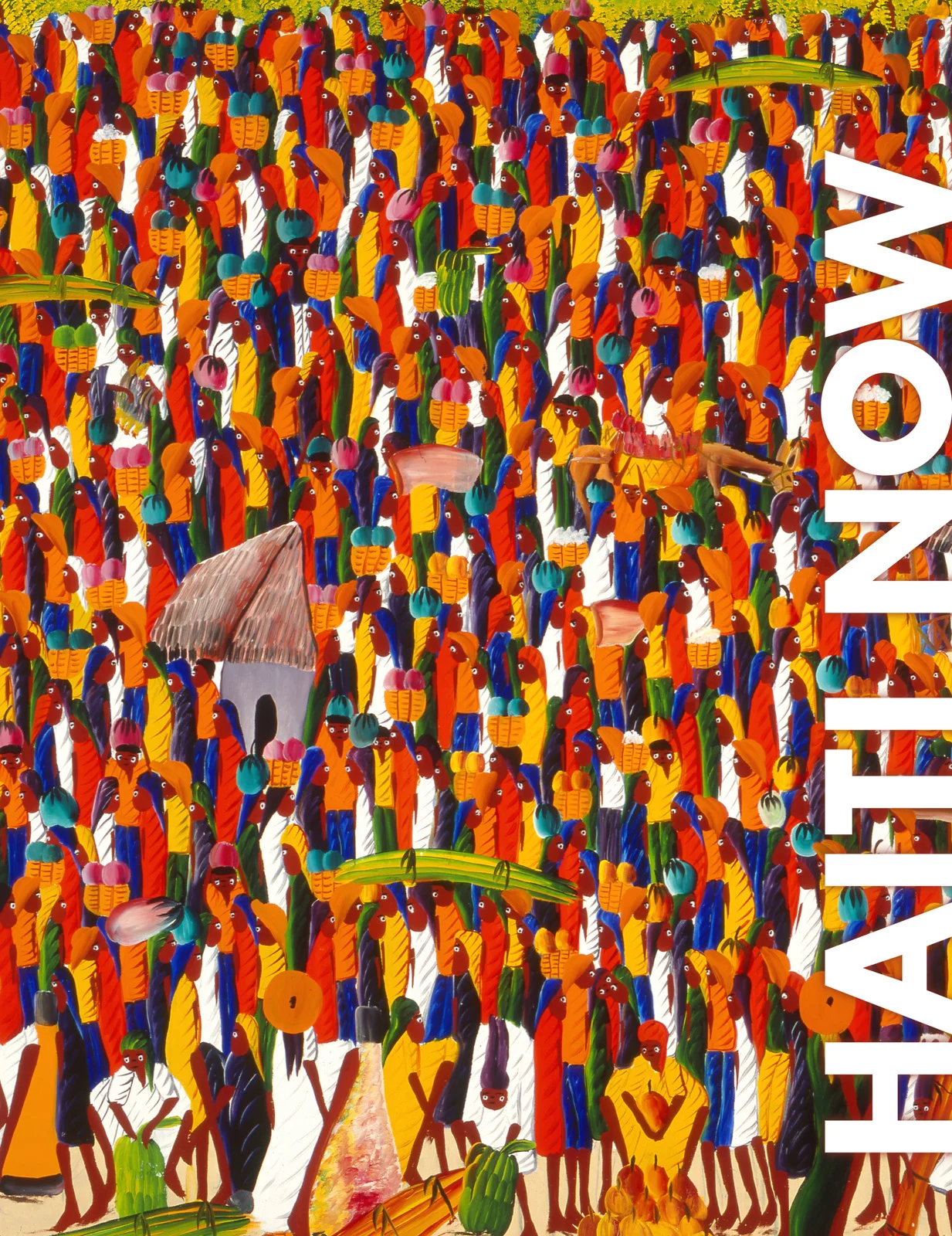
The Haiti Now Project was initiated in Fall 2012 as an intensive cross-disciplinary research and design program dedicated to contemporary urban issues and design potentials in Haiti. The two-year project encompasses a comprehensive critical analysis of Haitian modern history and politics, a data-driven research investigation of planning, infrastructural and social issues and a set of collaborative design proposals developed in concert with Haitian governing and community partners.
Differing from other humanitarian organizations, emergency response groups and purely academic institutions, the Now Institute is firmly committed to a rigorous and comprehensive course of research that investigates the region's most relevant social and cultural issues and translates a coherent understanding into design and policy proposals to meet specific community needs.
In 2013, the Mayne / Now Institute SUPRASTUDIO brought the focus of the study to Cap-Haïtien, the historical and former capital of Haiti, which has experienced dramatic growth in population and commercial activity in the past 20 years. These changes have fueled an uncontrolled growth in informal settlements and strained the capacity of the city's roads, utilities and the ecology to meet and mitigate the burgeoning demand.
As a result, the operations and locations of the city market, the quality of residential neighborhoods and access to cultural centers have diminished. According to studies by the Word Bank, the population of the city has more than doubled between 1995 and 2005 and its area has increased tenfold in forty years, from 1.22 km² in 1960 to 12.39 km² in 2002. The Institute's aim is to respond to these conditions and recognize Cap-Haïtien's existing cultural and natural assets as opportunities for urban development, economic growth and community enhancement.
Haiti had difficulties prior to the earthquake, but the sheer scale of destruction and rawness of the January 2010 earthquake left it in a heightened state of devastation and urgent emergency needs. The influx of international aid delivered to the country in following months is widely thought to have been well-intentioned, but poorly managed. What happened in post-disaster Haiti?
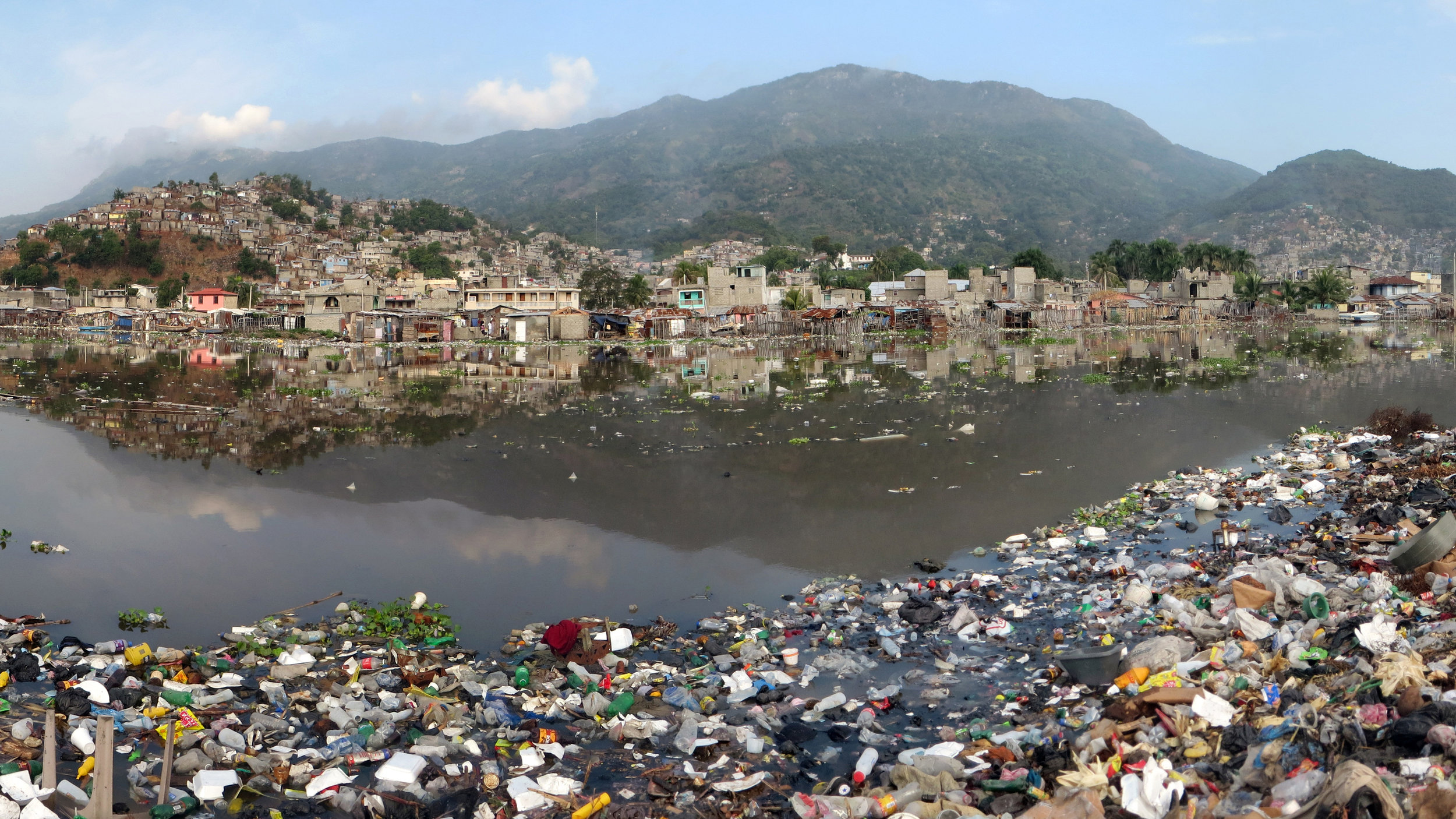
After a region experiences disaster, a process of Relief, Recovery and Planning attempts to re-establish a safe sustainable environment for all those affected. Relief is reaction — immediate, urgent, life-saving. It is an injection of soft goods, the flow of outside products and services to meet emergency needs. Recovery is strategy — prodding local systems back to life. Recovery targets the incremental strengthening of pre-existing local physical systems so a devastated region can stand again. Planning is prevention — long-term vision that anticipates solutions to latent problems. Planning sets an overarching direction for development. Now, nearly 3 years after the quake, the transition from relief efforts towards more visionary strategies for recovery and future planning is apparent and appropriate.
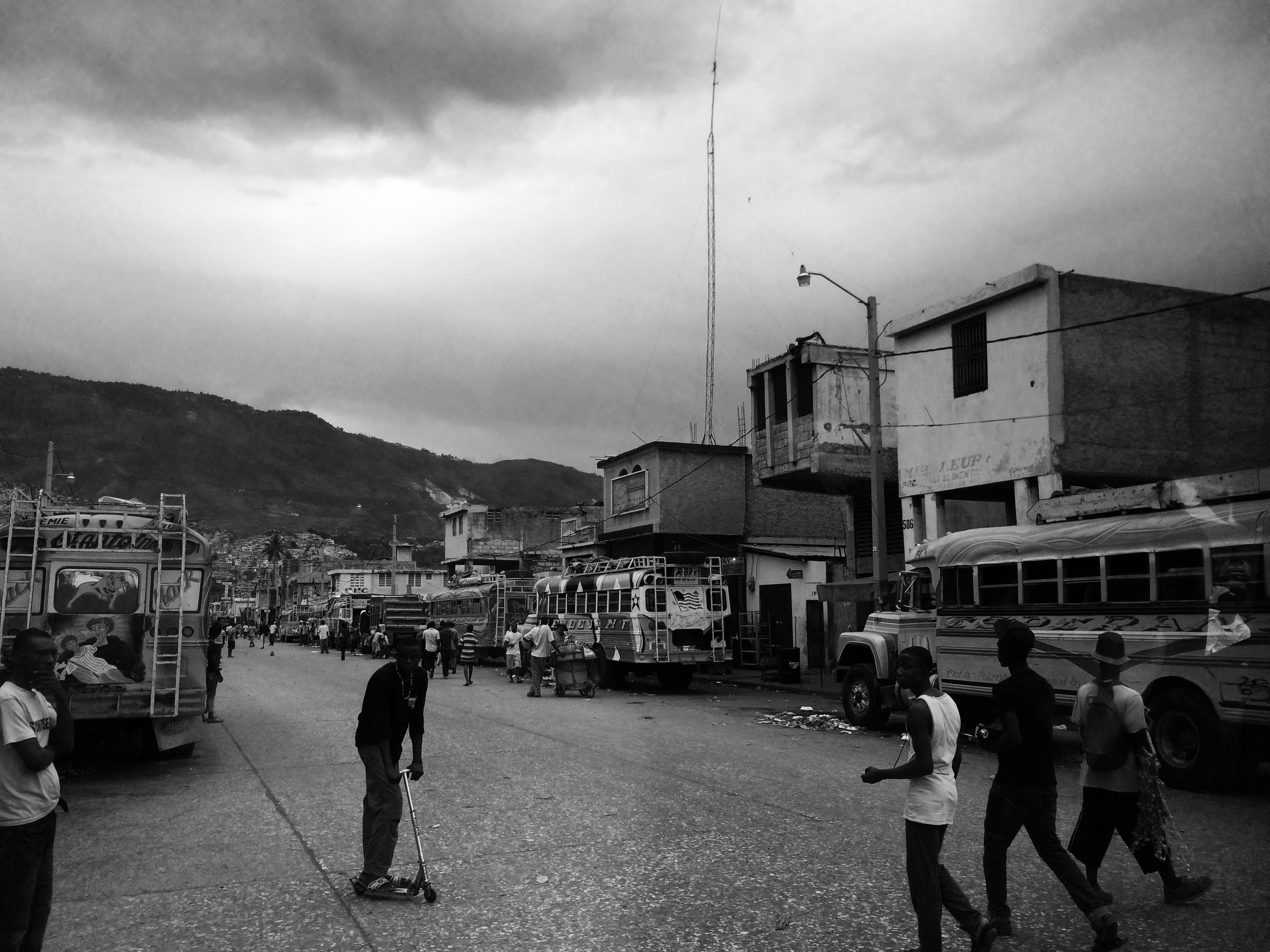
The Now Institute approaches this scenario with the question – what native resource can be employed to be a long-term engine and authenticator of the rebuilding effort in Haiti? The identity and vitality of any nation lies in the distinct flavor, confidence and vibrance of its unique local culture. In Haiti, across all sectors of society, age levels and regions, it is clear that culture is in joyful abundance. An approach of cultural reconstruction is also adopted by major players in the development world, including UNESCO and other highly-regarded NGOs. The strategy calls for prioritizing long-term development through investment into embedded cultural resources and encouraging the growth of auxiliary services and industries that serve them. The authenticity, dignity and identity of local communities is enhanced while the development of regionally-appropriate industries is encouraged.
The fortification of culture yields the opportunity for coupling it with strategically identified needs. One possibility links the richness and creativity of the Haitian arts and crafts culture with a strategy for improved access and quality of basic education. A radically Haitian embodiment of an institution of higher learning is another opportunity, which attempts to understand and stave the alarming departure of educated graduates from the country. A macro strategy for improved international recognition and domestic income generation suggests the development of an eco-cultural tourist experience that credits Haiti's fragmented rural infrastructure with protecting and preserving the Caribbean's last remaining virgin beaches. The umbrella theme of culture, as opposed to a singular elemental product or checklist, is rich with opportunities for locally-accepted propositions for stable, healthy development beyond simple reconstruction.
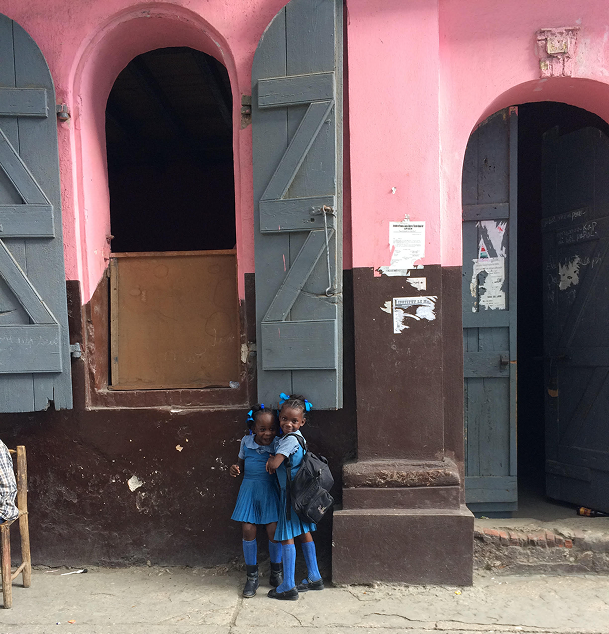
The final aspiration of any post-disaster strategy is the maturation of the affected region into a resilient society. Resilience, the ability to guard against or absorb the effects of hazards and risks, is a product of complex social, infrastructural and economic factors. In Haiti, the absence of many typical commodities and services again highlights the role of culture as a vital force in developing future resilience against disaster.
Frederick Mangones, Architect
President, Architecture et Developpement
Dr. Claudine Michel
Professor, Department of Black Studies, University of California at Santa Barbara
Director, Center for Black Studies Research
Founder and Editor, Journal of Haitian Studies
Hervé Sabin, Architect
Cofounder, Studio Drum Collective
Dr. Nadège Clitandre
Assistant Professor, International and Global Studies, University of California at Santa Barbara
Founder, Haiti Soleil
Kendy Vérilus, Filmmaker
Independent screenwriter and director