
The global food system is ripe for disruption. Agriculture is the world's second-largest carbon emitter, after the energy sector. The heavy footprint of soil-based farming accounts for 80% of tropical deforestation, is the primary cause of oxygen-depleted dead zones in coastal regions, is the largest freshwater consumer (using 80% of California's limited supply), and is hyper-dependent on emissions-heavy transportation. Because of transit damage and having a short shelf life in retail stores upon arrival, more than 40% of food is wasted.
The predicted world population of 9 billion people in 2050 will affect the amount of sufficient resources to produce enough food for everyone. An alternative to traditional agriculture is needed as population growth in urban areas is outpacing and decreasing agricultural land availability. In the event of catastrophic climate change or any natural/man-made catastrophe, investing in hydroponics functions as humankind's insurance policy.
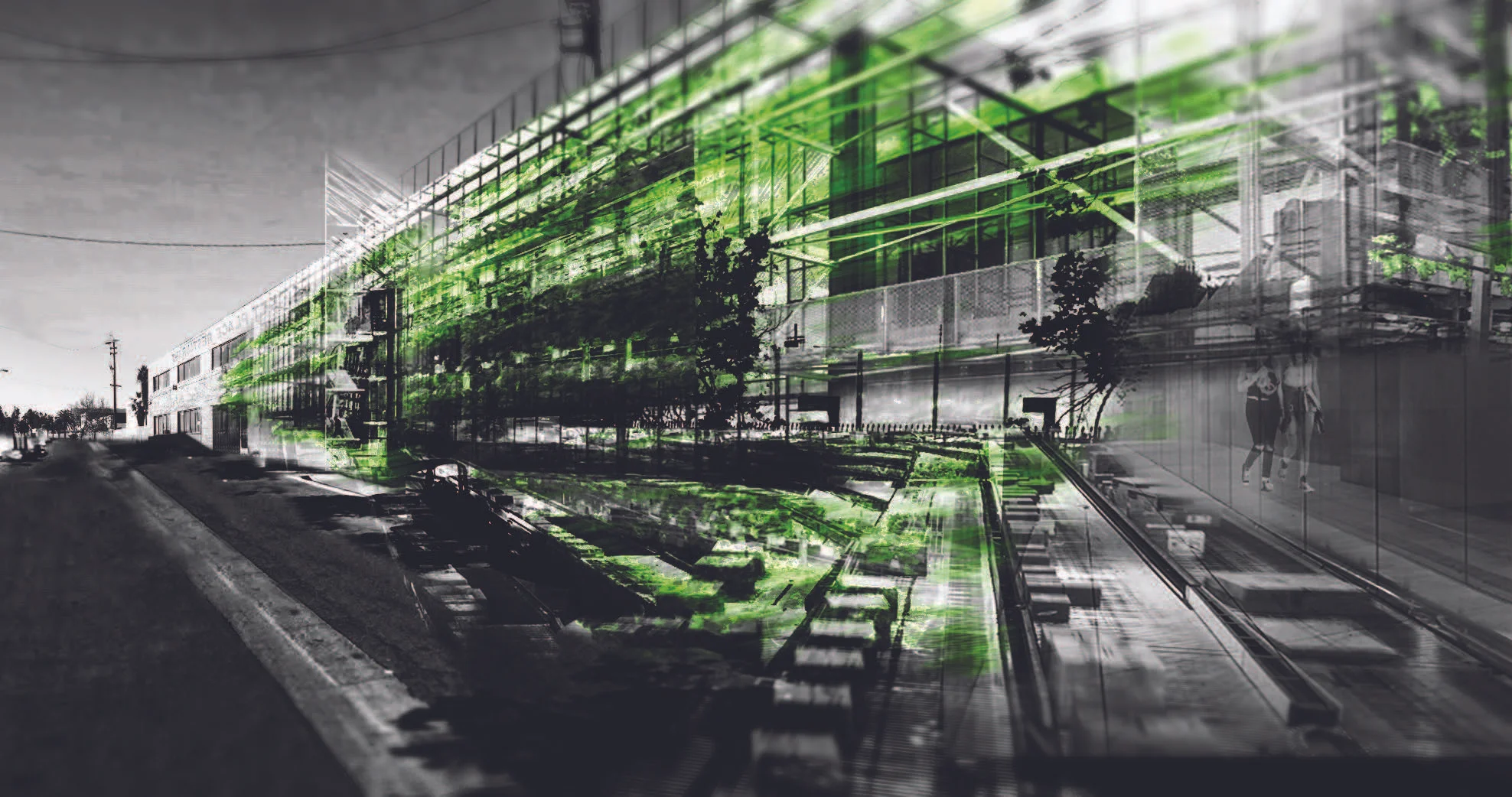
Four different schemes regarding Social Service, Educational Outreach, Economic Development, and Cultural Branding are implemented on pilot sites which include a public school, a commercial-driven district, a church, and an industrial warehouse to generate build-and-deploy strategies that will impact on five levels: on-site economic impact, community health and education, city-scale emissions reduction, national environmental restoration, and global food system reform.
learn more