
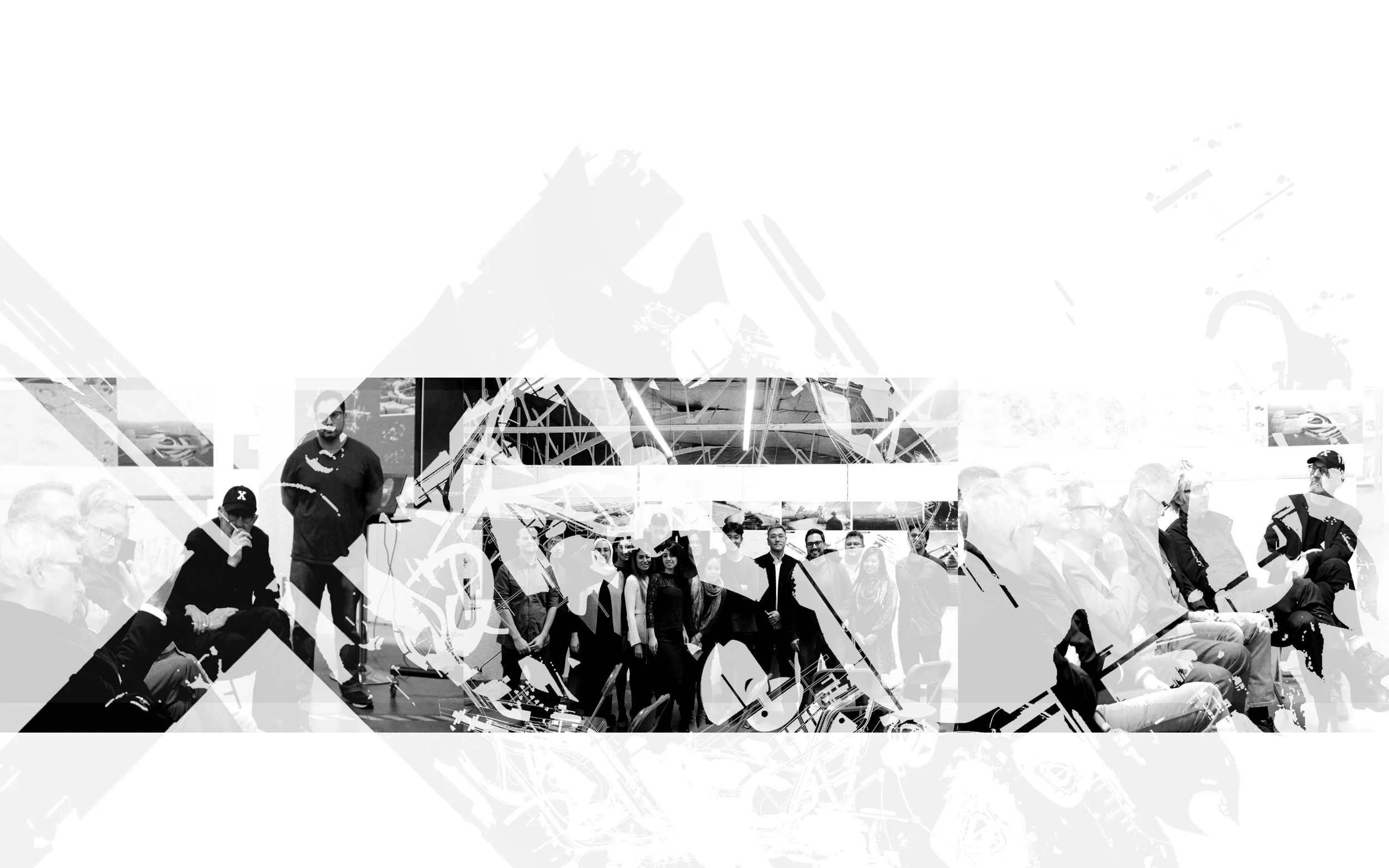
The South Sea Pearl Studio speculates about the possibility of self-sustainable urbanism that balances and integrates the aims of culture, nature and business to reclaim the importance of intelligent ecology in 21st century urbanism.
Looking at individual small towns and city-states that arose throughout history—from Greek city-states, such as Miletus and Samos, to the towns populating the Roman Empire, to the Renaissance fortress city of Palmanova—it is notable that each of these urban systems were developed with a degree of autonomy and independence that is impossible in today's globalized era of the nation-state. For centuries, towns and city-states developed idiosyncratically, as micro engines of cultural, agricultural and social sustainability; their often remote locations and distinctly defined urban boundaries led to highly specific architectural, urban, economic, and social considerations as each culture addressed the questions unique to its own advancement.
Now, China is poised to inherit this legacy by constructing a 290 hectare island that will become a laboratory and demonstration project of urban sustainability in Hainan, China. Studio targets the issue from five approaches: floating landscape, Archipelago, Infrastructure Urbanism, Extreme man-made urban environment, and the pods.
learn more